Site Clearance Cost: A Denver Property Owner’s Guide
Clearing land isn’t always a matter of removing everything in the way. You may be able to preserve healthy trees, clear only the area your project needs, and plan how branches and logs will be handled. Each choice can affect site clearance cost, the work schedule, and the condition of your property afterward. For homeowners across Denver and the Front Range, factors such as mature trees, steep ground, limited equipment access, and nearby homes can make a site-specific assessment especially useful. This guide walks through what clearance can include, which services may cost extra, and how to request comparable quotes. You’ll also find practical ways to protect retained trees and consider recycling or replacement planting.
Key Takeaways
- Set a clear scope before requesting quotes
: List the areas and trees involved, what should stay, and whether stump work, cleanup, and hauling are included.
- Compare itemized, site-specific estimates
: Ask contractors to assess tree condition, terrain, access, nearby structures, and debris handling, since online averages may not reflect your property.
- Protect retained trees and plan for debris
: Have an arborist assess trees you want to keep, agree on equipment routes, and ask whether removed wood and green waste can be reused or recycled.
What Does Site Clearance Include?
Site clearance is the work of removing or managing vegetation and other obstacles in a defined area so a property is ready for its next use. The scope can be narrow, such as clearing brush and removing one tree, or more extensive, such as clearing vegetation across a lot. It depends on the project plan, site conditions, and which trees the property owner wants to keep.
Before work starts, ask the contractor to spell out exactly what “clearing” includes. Tree and vegetation work may cover cutting trees, pruning branches, removing brush, and chipping or hauling debris. Stump grinding, grading, demolition, drainage work, and construction preparation may be separate services. A written estimate should identify the work area, what will be removed, what will remain, and how debris will be handled.
For Denver-area properties, it’s also important to consider how equipment and tree removal may affect nearby trees, roots, and soil. An arborist can help define the work and identify trees that may be retained. Natural Tree Care and Recycling provides tree services including removals, pruning, fire mitigation, and arborist consultations. Confirming the scope in advance helps you compare estimates and coordinate tree work with the rest of your project.
Clear trees, brush, and vegetation
Vegetation clearing may involve removing small trees, shrubs, weeds, and brush from a work area. Crews may also prune branches that block access or interfere with planned work. The size and density of the vegetation, along with the terrain, affect the time and equipment required. A land-clearing cost report describes basic clearing as removing small trees, shrubs, and plants on mostly flat land. A wooded or sloped property may require a different scope.
Ask whether the estimate includes cutting, chipping, hauling, and cleanup. Some crews process material onsite, while others haul it away. Make sure the quote explains what happens to logs, branches, and other green waste so you know what the site will look like when the work is done.
Choose selective tree removal or full-lot clearing
Site clearance doesn’t always mean removing every tree. Selective clearing targets specific trees or vegetation while leaving other parts of the property intact. Full-lot clearing removes most or all vegetation within a defined area. The right option depends on the project plan, tree condition, and the features you want to preserve.
The clearing method and debris plan can affect the work involved. Land-clearing cost guidance notes that processing material onsite may cost less than hauling logs, stumps, or other debris away, which can add transport and disposal fees. Ask the contractor to identify the exact area to be cleared and explain whether chipping, hauling, or disposal is included in the estimate.
Distinguish tree clearance from construction-site prep
Tree clearance focuses on removing or managing trees, brush, and other vegetation. Construction-site preparation is broader: depending on the project, it may include grading, drainage, erosion control, demolition, or soil preparation. These tasks may require different contractors, equipment, permits, or inspections, so don’t assume they’re part of a tree-clearing quote.
Share your project plans with the tree contractor and ask where their scope ends. This helps you coordinate tree work with the builder or site-preparation crew, especially when some trees or landscape areas need protection. ABC Carolinas’ sustainable construction guidance recommends planning work to limit site disturbance while meeting project needs. Confirm who is responsible for each task before work begins.
Use an arborist assessment to define the work
An arborist can assess a tree’s health, structure, and location, then help determine whether it should be pruned, removed, or retained. This can be especially helpful when trees are close to buildings, driveways, utility lines, or planned construction. An assessment may also identify safety concerns or protection measures for trees near the work area.
Before requesting an estimate, mark the proposed clearing area and share any site plans you have. Ask which trees the arborist recommends removing, which can remain, and what access or safety issues may affect the work. A contractor may also help identify permit requirements, as noted in Hurst Landworks’ cost guide. Check with the relevant local authority to confirm permits before scheduling work.
Retain healthy trees to reduce disturbance and scope
Keeping healthy trees can reduce the area that needs clearing and preserve shade, privacy, and the established character of a property. Retaining suitable trees also limits unnecessary disturbance to the soil and nearby roots. An arborist can help identify trees that are good candidates to stay and suggest ways to protect them while crews work.
Clearly mark trees you want to retain, then discuss equipment routes with the contractor. Heavy machinery and repeated foot traffic can compact soil or damage roots, so agree on access paths before work begins. The University of Florida IFAS overview of urban forest management costs notes that low-maintenance, drought-resistant trees can reduce ongoing care demands. A selective plan can make room for the project while preserving trees that continue to serve your property.
What Is the Typical Site Clearance Cost?
Price by lot, area, tree, or project
Contractors may price site clearance by acreage, square footage, individual tree, or the full project. Per-acre pricing can offer a rough benchmark for open land, while a tree-by-tree estimate may make more sense for a yard with a few removals and pruning needs. A project quote can be helpful when the work combines tree removal, brush clearing, hauling, and cleanup. One published report gives an average of $1,642.50 per acre, with a range of $1,080 to $2,205. However, ProMatcher’s cost report covers Wichita, not Denver. Use its figures as a general reference, not a local price.
Understand why per-acre averages may not fit Denver properties
A per-acre average may not reflect the work required on your Denver-area property. A small, densely planted lot can take more time and care to clear than a larger, open parcel, particularly when trees stand near a home, fence, driveway, or utility line. Slopes, narrow access, and the type of equipment a crew can use also affect the work. An estimate should account for the trees and vegetation on site, along with what you want to preserve. A local tree care assessment can help identify the right scope before you compare contractor prices.
Identify what makes an estimate basic or complex
A straightforward estimate might cover a few accessible trees or light brush clearing, with debris removal and cleanup clearly specified. More involved work may include dense vegetation, large or declining trees, steep ground, or limited access for equipment. Trees close to buildings and other structures can require additional planning and care. The price may also change based on whether the crew will remove stumps, haul away wood, or protect healthy trees during the work. Ask the contractor to explain how these details affect labor and equipment. Land-clearing cost guidance lists lot shape, vegetation, terrain, access, hauling, and equipment among common pricing factors.
Use online estimates as starting points, not firm quotes
Online estimates can help you plan and prepare questions, but they can’t account for every condition on your property. Before setting a firm budget, request an in-person assessment and a written quote that identifies the trees or areas included, cleanup, hauling, and any exclusions. Explain which trees you want to keep and what you plan to do with the cleared space. Ask how unexpected conditions, such as restricted access or additional debris, could affect the price. Comparing local quotes with the same scope makes it easier to understand differences in cost and choose the services that fit your property.
What Factors Affect Site Clearance Cost?
Site clearance costs depend on the work a property needs, the conditions crews encounter, and what you want to preserve. Clearing brush from an open lot is different from removing mature trees near a home, protecting trees you plan to keep, or hauling large amounts of wood away. The estimate should reflect the specific work area and the method needed to complete the job safely.
Lot size is one consideration, but it doesn’t tell the whole story. Vegetation density, tree dimensions, terrain, equipment access, and cleanup can all affect labor and project time. In the Denver metro area and along the Front Range, factors such as sloped ground, narrow side yards, nearby structures, and dry or stressed trees may also shape the plan.
Published land-clearing averages can help with early budgeting, but they’re not a substitute for a property-specific assessment. One source gives a broad range of $1,500 to $6,000 per acre, while noting that site conditions affect the final price. Use land-clearing cost estimates as a starting point, then ask for an itemized quote based on the trees, brush, access, and cleanup involved.
Consider lot size, vegetation density, and tree dimensions
A larger work area may require more labor, equipment time, and cleanup, but acreage alone won’t determine the cost. A small lot filled with dense brush and mature trees may take longer to clear than a larger property with sparse vegetation. The number of trees, their height, and trunk diameter all affect how crews plan the work and manage the material.
Be clear about which parts of the property need clearing. If you only need to open a building area or access route, the estimate should reflect that defined area rather than assume a full-lot clearing. Ask the contractor to identify the work limits and assess the vegetation and tree dimensions on site. This helps ensure the quote matches the project you actually have in mind.
Factor in tree condition, species, and removal complexity
A tree’s condition can change the work required to remove or prune it. Dead, damaged, or unstable trees may call for additional precautions, especially when they stand near a home, fence, road, or utility line. Species and growth structure can also affect how a tree is dismantled and handled.
Size, root depth, and stump requirements matter as well. A large tree may need to be removed in sections, while stump grinding or removal can add a separate step to the project. Tree dimensions and stump work are among the factors that can change a land-clearing estimate. A certified arborist can assess tree health and help determine whether removal, pruning, or another option fits the site.
Account for slopes, soil, equipment access, and nearby structures
Steep or uneven ground, soft soil, and narrow access can limit the equipment a crew can use. If machinery can’t reach the work area, workers may need to carry or move branches and logs by hand, adding time. Trees close to homes, garages, fences, sidewalks, or utility lines may also require careful, section-by-section removal.
Ask how access and terrain affect the proposed work plan and price. The contractor should explain what equipment will be used and how the crew will protect nearby features. Depending on the property and scope, permits or other requirements may apply. The estimate should state whether those costs are included or whether you’ll need to arrange them separately.
Protect roots and soil around retained trees
When you plan to keep some trees, make their protection part of the clearance plan. Heavy equipment, repeated foot traffic, trenching, and stored materials can compact soil or damage roots, even when crews avoid the trunk. Root and soil damage may affect a tree’s health after the project is finished.
Ask the arborist or contractor to identify trees to retain and mark areas that should stay clear of machinery and materials. The University of Florida’s guide to managing trees in urban settings describes how site conditions can affect tree care needs. Practical protections may include setting equipment routes in advance and limiting activity near root zones. Planning for retained trees can help avoid preventable damage and additional care later.
Plan for debris volume, hauling distance, and recycling or disposal
Branches, trunks, stumps, and brush all need a destination. The estimate may vary depending on whether crews chip material on site, haul it away, or leave some wood for your use. The volume of debris and the distance to a disposal or processing site can affect handling and hauling time. One land-clearing source estimates that debris removal may account for 20% to 40% of a project bill, depending on volume.
Before work begins, confirm what cleanup includes and whether hauling is priced separately. Ask how wood and green waste will be handled, too. Natural Tree Care and Recycling describes its tree services as including sustainable practices such as recycling tree debris. Clarifying the plan helps you compare estimates and understand what happens to material once it leaves the work area.
What Services and Extra Costs Should You Budget For?
Site clearance can include tree removal, pruning, brush clearing, stump work, and debris handling. It may also involve services beyond tree care, such as grading or erosion control. Since these tasks can require different crews, equipment, and approvals, ask for an estimate that lists each service separately. That makes it easier to see what the price covers and compare quotes on the same scope of work.
Start by identifying what the property needs to be ready for, whether that’s a new structure, a safer yard, or a less crowded landscape. Then decide which trees and vegetation need to go and which should stay. An arborist can help assess tree health and plan work that limits unnecessary disturbance. Natural Tree Care and Recycling provides tree services such as pruning, removals, fire mitigation, and arborist consultations for Denver-area property owners.
As you review costs, ask about cleanup, access, permits, and what happens to wood and green waste. Also consider whether the cleared area will need new trees or follow-up care. Accounting for these details before work begins can help you plan the full project, rather than focusing only on the cost of cutting or removing trees.
Budget for tree removal, pruning, brush clearing, and fire mitigation
Tree removal may be only one part of the work. Depending on your plans, the estimate could also include selective pruning, brush clearing, or fire mitigation around structures and access routes. Each task has different labor and equipment needs, so ask the contractor to list them separately where possible.
Tree size, condition, location, and nearby structures can affect the work involved. Before approving an estimate, confirm which trees and areas it covers, and ask whether any services are optional. If you’re unsure which trees should remain, an arborist can help assess their condition and clarify the scope. Natural Tree Care and Recycling offers pruning, removal, and fire mitigation for properties across the Denver area.
Include stump work, cleanup, and debris hauling
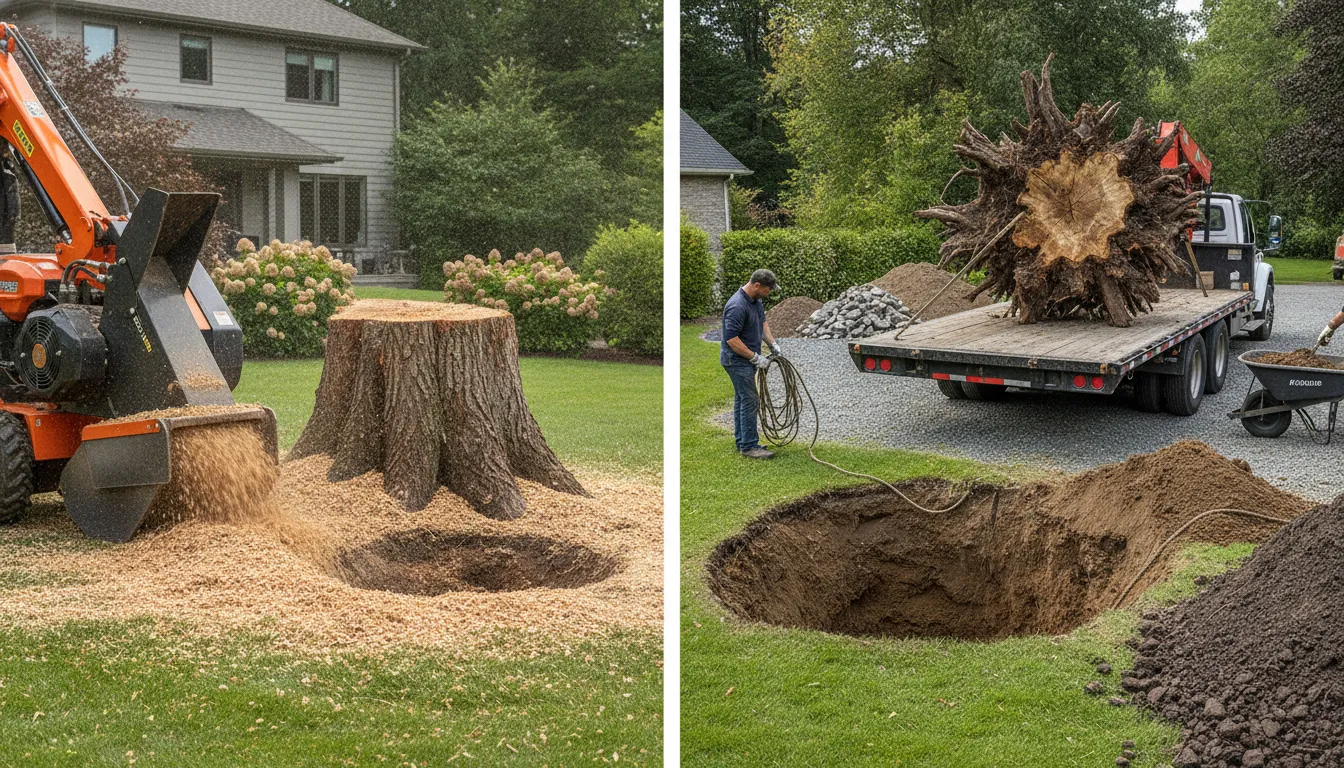
A tree removal estimate may not include stump grinding, root removal, or hauling. Confirm what happens to branches, logs, and wood chips, and whether the crew will leave any material on site for your use. The cleanup standard matters too: a yard that will remain landscaped may need a different finish than a lot being prepared for construction.
Debris volume and hauling requirements can affect the final bill. Ask whether chipping, disposal, or additional trips cost extra, and whether usable wood or green waste can be recycled. Land-clearing cost guidance identifies debris removal as a potential share of project costs, depending on the amount of material. Make sure the estimate explains what cleanup includes.
Budget for arborist assessments and retained-tree protection
An arborist assessment can help identify which trees are healthy, which may pose a safety concern, and how to carry out clearing near trees you plan to keep. This can be especially helpful when work is close to a home, driveway, or mature trees. Ask whether an assessment is part of the estimate or billed separately, and what the assessment will cover.
Retained trees may need protection while crews and equipment are on site. The contractor may mark areas to avoid, limit equipment movement near roots, or adjust the work plan. These steps can add time, but they help reduce the risk of damage during clearing. A professional arborist consultation can help identify protection needs before work begins.
Account for permits, utility locating, inspections, and difficult access
Permit and inspection requirements depend on your property’s location and the work planned. Check with your city or county before scheduling, and ask the contractor which approvals are required and who will arrange them. Rules can differ across Denver metro communities and the Front Range, so don’t assume requirements are the same from one property to the next.
Utility locating may be needed before digging, stump grinding, or bringing heavy equipment onto a site. Slopes, narrow gates, fences, and limited truck access can also affect the time and equipment required. Mention these conditions when requesting a quote so they can be reflected in the estimate. Land-clearing cost factors include site access and possible permit needs among considerations that can influence project costs.
Treat grading, drainage, erosion control, and demolition as separate work
Removing trees and brush clears vegetation, but it does not automatically include grading or construction-site preparation. If your project also requires leveling, drainage changes, erosion control, or demolition, ask for each item to be listed separately. These tasks may involve different equipment, contractors, permits, or inspections.
A clear division of work helps you understand what the tree crew will complete and what needs to happen during a later project phase. It also makes responsibilities easier to confirm, such as who will protect nearby landscape features or manage runoff. Sustainable site practices emphasize planning construction work to limit unnecessary disturbance while meeting project requirements.
Budget for replacement trees, planting, and post-clearance care
If tree removal will leave open space, consider replacement planting as part of your project budget. Costs can depend on the number and size of trees, species, delivery, and site conditions. Ask whether the estimate includes planting, mulch, watering guidance, and follow-up care. Native trees suited to the property can support a landscape plan that fits local conditions.
Clearing work may also affect the ground where new trees will be planted. Equipment can compact soil, and some areas may need preparation before planting. Discuss timing and site needs with an arborist before removal so replacement plans are included from the start. Research on urban tree management costs notes that growing conditions can influence the cost of establishing trees.
How Can You Compare Quotes and Manage Site Clearance Costs?
A low estimate can be tempting, but it may cover less work or leave cleanup and hauling to you. To compare quotes fairly, focus on the work each contractor will complete, how they will protect your property, and what happens if conditions change.
Before requesting estimates, mark the areas involved and list the trees, brush, and stumps you want addressed. Note whether you expect debris to be chipped, hauled away, or left in a specific location. Give each contractor the same written description so you can compare prices for a consistent scope. For tree work, an arborist can also help identify which trees need attention and which may be retained. Natural Tree Care and Recycling offers tree services and arborist consultations for Denver-area property owners.
Ask for written estimates and take time to review the details before approving work. Confirm what’s included, check the contractor’s qualifications and insurance, and agree on how the crew will handle unexpected conditions. A clear plan helps you make informed choices about the work and avoid paying for services your project doesn’t need.
Request itemized estimates with matching scope and cleanup
Ask at least three contractors for written estimates based on the same list of tasks. Include the location and number of trees, the type of clearing, whether stump work is needed, and what cleanup should include. Be specific about debris: should the crew chip brush, haul it away, or leave wood in a designated spot?
Matching scopes make it easier to tell whether a lower estimate reflects a better price or fewer services. Ask contractors to separate major tasks, such as tree removal, stump grinding, and hauling, so you can see what each costs. A guide to comparing contractor bids recommends using the same written scope when reviewing estimates. If an estimate leaves a task unclear, request an update before you compare totals.
Confirm inclusions, exclusions, and allowances
Review each estimate for details that can affect your final bill. Check whether stump grinding, debris hauling, site cleanup, permits, and utility locating are included, excluded, or priced separately. If the estimate includes an allowance for an uncertain item, ask what it covers and how the contractor will charge if the actual work costs more.
Get answers in writing, even if you have already discussed the details by phone. A clear line-item breakdown lets you compare the full cost of each proposal, rather than relying on a single total. Ask the contractor to explain any terms you don’t understand and to identify any work that may require a separate estimate. This guide to reviewing contractor quotes covers useful details to check, including allowances and exclusions.
Compare credentials, insurance, equipment, schedules, and recycling practices
Price is only one part of choosing a tree care contractor. Ask who will supervise the work, what insurance coverage the company carries, and whether the crew has handled similar trees and site conditions. Confirm how equipment will reach the work area, how the crew will protect nearby structures and landscaping, and when the work can be scheduled.
If you want to reuse removed wood or green waste, ask what the contractor can chip, recycle, or haul away. A well-defined debris plan helps you understand what will remain on your property when the job is done. Compare the answers alongside the estimate, references, and contract terms. This contractor comparison checklist can help you assess qualifications, insurance, and project details as well as price.
Ask how hidden conditions and scope changes affect the final bill
Ask what might change the estimate once work begins. Hidden decay, limited equipment access, tangled limbs, or more debris than expected may affect the time or equipment required. Find out how the contractor will tell you about a change, who needs to approve additional work, and whether you’ll receive a revised price before the crew proceeds.
Agree on this process in writing. Keep the original estimate and any approved changes, then check the final invoice against both. If the contractor discovers a condition that changes the plan, pause to review the added work and cost before giving approval. Tracking approved changes against the original scope helps keep project spending clear. These project budgeting tips offer a helpful approach to monitoring costs as work progresses.
Clear only the areas and trees your project requires
Full-lot clearing may not be necessary for your plans. If you’re making room for a driveway, patio, or building, mark the project footprint and ask whether selective clearing can meet your needs while retaining healthy trees elsewhere. Limiting the work area can reduce the amount of vegetation removed and the volume of material to process or haul.
Ask an arborist to assess trees near the planned work, especially where equipment or construction could affect their roots. Discuss how the crew will access the site and handle debris, since both can affect the estimate. The factors that shape land-clearing costs include the clearing method and whether removed vegetation stays on site or is hauled away. A defined work area helps contractors price the job accurately.
Avoid unsafe DIY tree work; ask which smaller tasks you can handle
Tree felling, climbing, chainsaw use, and cutting large limbs can lead to serious injuries or property damage, especially near buildings or overhead lines. Leave those tasks to qualified professionals. If you want to help reduce the scope of the job, ask the contractor whether there are safe, simple tasks you can handle before the crew arrives.
For example, you may be able to move patio furniture, mark irrigation lines or property features, and clear loose items from the access route. Confirm what’s safe to move and what the crew needs to handle. Don’t cut branches or move brush that may be unstable or under tension. If you’re unsure whether a tree or limb is safe, request an assessment from a professional tree care team.
Can Sustainable Clearing Help Control Costs and Protect Trees?
Sustainable clearing can help control costs by keeping work focused on what your project actually requires. Removing only necessary trees and brush may reduce labor, equipment time, hauling, and cleanup. Protecting trees you plan to keep can also help avoid preventable damage to roots and soil. These practices do not guarantee a lower estimate, since access planning, tree protection, erosion controls, or replacement planting may add costs. They can, however, make the scope clearer and reduce the chance of avoidable work.
Start by identifying the areas that need clearing and the trees you hope to retain. An arborist can assess tree health and help determine which trees may be suitable to keep. Natural Tree Care and Recycling offers tree services and arborist consultations for Denver-area property owners.
When comparing estimates, ask how the contractor will protect retained trees, route equipment, and handle wood and green waste. Also discuss whether replacement planting is part of the project or should be budgeted separately. A plan that accounts for these details can help you understand the full scope and make informed choices before work begins.
Preserve healthy trees with selective clearing
Removing only the trees and vegetation that conflict with your project can reduce the amount of work and debris, while retaining established trees that offer shade, habitat, and landscape value. Before clearing starts, mark the areas to be cleared and clearly identify trees to keep. Share the plan with the contractor and other crews working on the property.
A tree can be harmed by nearby excavation, material storage, or repeated vehicle traffic, even if it is not cut down. Ask an arborist to assess trees you want to preserve and recommend suitable protections. ABC Carolinas’ sustainable construction guidance recommends minimizing site disturbance while meeting project requirements. A clear plan helps crews understand where they can work and which areas need extra care.
Plan equipment access to protect roots and soil
Heavy equipment can compact soil and damage roots, especially when it travels repeatedly over the same areas. Before work begins, agree on where machinery can travel, where materials can be staged, and where debris can be stored. Mark protected areas so crews can identify them easily, and keep access routes away from trees you plan to retain when possible.
Discuss access constraints and equipment size with the contractor during the estimate process. A thoughtful route may reduce unnecessary passes across the property and help protect the soil around retained trees. ABC Carolinas’ site management recommendations highlight the value of coordinating logistics and equipment choices. If the site is sloped or exposed, ask whether erosion controls are needed to limit soil movement during the work.
Time work to support tree health and reduce disease-spread risks
The best timing for tree work depends on the species, its condition, and the reason for the work. Some projects may also involve pests or diseases that affect when crews should prune or remove trees and how they clean their tools. Ask an arborist whether scheduling adjustments or sanitation steps could help reduce stress on trees or limit the spread of a known issue.
Timing also matters when clearing exposes soil to wind or rain. Depending on the property, erosion controls may be needed to keep soil from moving toward trees you plan to retain. Spartan Equipment’s site preparation guidance describes measures such as silt fences and straw bales for managing erosion. Ask your contractor which measures fit your site and whether they are included in the estimate.
Reuse or recycle wood and green waste where practical
Before approving an estimate, ask how the contractor plans to handle branches, brush, and logs. Depending on the material and your preferences, wood may be chipped, reused as mulch, or sent for recycling. Options vary based on the condition and volume of the material, local facilities, and whether you want to keep any wood on site.
Confirm whether chipping, hauling, disposal, and final cleanup are included in the quoted price. Ask, too, whether any chips or logs will remain on the property. These details help you compare estimates and avoid confusion when the work is complete. SFS USA’s overview of waste diversion explains how reducing, reusing, and recycling materials can limit what goes to landfills. Natural Tree Care and Recycling also recycles debris from tree removals, so ask how that approach could apply to your project.
Budget for native replacement planting
If your plans call for replacing a removed tree, include the full planting process in your budget. Costs may include the tree, delivery, site preparation, planting, watering, and early care. Choose a species suited to Denver’s climate and your property’s conditions, including available space, sunlight, soil, and water. An arborist or planting professional can help you weigh these factors before you buy.
Native trees may be a good fit for local conditions and wildlife, but the right choice depends on the site. Be sure to ask about establishment care, since a newly planted tree needs appropriate watering and attention. The University of Florida’s overview of urban forest costs notes that trees in demanding urban settings can carry greater financial and environmental costs than those in natural areas. Planning for those conditions helps you account for care after planting, not just the initial purchase.
Related Articles
Frequently Asked Questions
Is site clearance the same as land clearing? The terms are often used similarly, but the work can vary. Site clearance may focus on trees, brush, and vegetation, while land or construction-site preparation can also involve grading, drainage, demolition, or soil work. Confirm which tasks your contractor includes.
How can I get an accurate site clearance estimate? Share a clear work area, identify trees you want removed or kept, and explain how you want debris handled. Ask for a written, itemized estimate based on an on-site assessment, with separate costs for services such as stump grinding and hauling.
Do I need to remove every tree before construction? Not necessarily. Selective clearing may create room for a project while keeping healthy trees elsewhere on the property. An arborist can assess which trees are suitable to retain and discuss ways to protect them during work.
Are permits required for tree or brush clearing in the Denver area? Requirements depend on the property’s location and the work involved. Check with your local city or county before scheduling, and ask your contractor whether permits or inspections may apply.
What happens to wood and brush after clearing? The crew may chip material on site, haul it away, or leave selected logs or chips for you. Confirm the debris plan and any related charges before work begins. Natural Tree Care and Recycling also recycles debris from tree removals.