Drought-Tolerant Native Trees for Colorado Yards
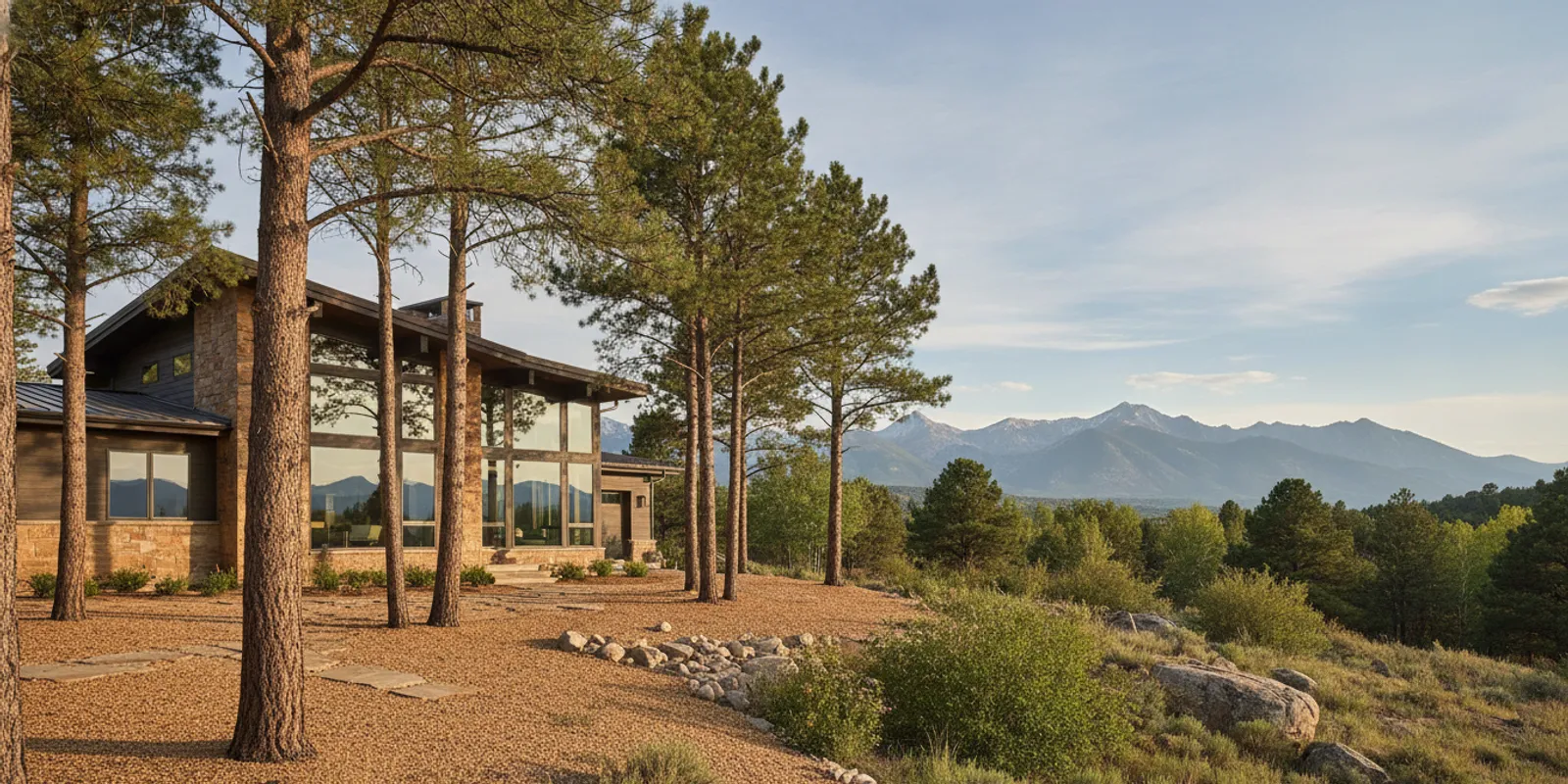
Choosing drought tolerant native trees Colorado property owners can live with starts with more than a plant label. A tree that grows naturally in Colorado may still need the right elevation, soil, room and establishment care. Before choosing a species, decide what the tree should do—provide shade, screen a view or support a natural-looking yard—and match that goal to the conditions on your property.
What does drought tolerant mean here?
Drought tolerance is relative. It means a tree can handle less available water than some other trees once it is established. It does not mean the tree needs no water, or that it will thrive in every dry spot. A young tree has a limited root system and needs regular watering as it gets established. Even a mature drought-adapted tree can be stressed by long dry spells, hot reflected heat, compacted soil or competition from lawn and other plants.
Colorado is not one uniform growing site. The Front Range includes exposed, windy properties, sunny slopes, irrigated lawns, heavy or compacted soils and sheltered yards. Elevation, winter exposure and local rainfall also vary. A tree native to a foothill setting may not be the best fit for a hot, narrow planting strip in town. Native status is a useful starting point, not a guarantee of performance.
It also helps to be precise about the goal. If you need dense shade soon, a slow-growing dryland tree may not meet your timeline. If you want a tree that can handle a sunny, lower-water area over time, a smaller canopy or slower growth may be acceptable. Think about the mature tree, not only the size in the nursery pot.
Which Colorado-native trees are worth considering?
These options can be useful starting points for dry Colorado yards, but each has a natural range and a mature form to consider. Ask about locally appropriate stock and confirm the planting site before settling on a species.
- Rocky Mountain juniper:
This evergreen is associated with dry, rocky settings and can suit a sunny, well-drained location. It is not a small ornamental by default: allow room for its eventual height and spread, and keep it away from structures and overhead conflicts. Its dense form may also be a poor choice where you want an open, airy canopy.
- Gambel oak:
This foothill and mountain oak can fit a naturalistic, relatively dry landscape. Depending on conditions, it may grow as a large shrub or a small tree and can form multiple stems or spread by suckers. That habit can be welcome in a broad area but inconvenient beside a walk, foundation or tightly maintained lawn.
- Pinyon pine:
Pinyon is adapted to dry parts of the state and grows slowly. It can work where there is enough space and good drainage, but local suitability matters: its native range and conditions do not match every Front Range yard. Its slower growth means it may not provide quick screening or shade.
- Bur oak:
A plains-region native that can tolerate dry conditions after establishment, bur oak needs substantial room for a broad mature crown. Consider soil depth, nearby paving and overhead lines before planting. Do not treat its drought tolerance as a reason to skip watering a new tree.
There is no single winner for every property. A species may tolerate drought but still be a poor choice if it grows too large, has a spreading habit or is mismatched to soil drainage. For more about selecting and establishing a tree, see our guide to Denver tree planting.
What should you check before choosing a tree?
Walk the site and note the conditions where the tree will actually grow. A few practical checks can prevent a mismatch that is difficult to fix later.
- Measure the available space.
Estimate the mature height and canopy width, then look above and around the planting area. Leave room for branches, roots, paths and future maintenance. A small sapling can become a large tree.
- Check sun and exposure.
Record how many hours of direct sun the site receives. Note wind exposure, reflected heat from walls or pavement, and whether nearby buildings provide shade. A protected backyard and an exposed corner can behave very differently.
- Look at soil and drainage.
Is the ground compacted, shallow, rocky or slow to drain? Water-loving roots and dry-site roots do not respond the same way to wet soil. Avoid assuming that a tree described as drought tolerant will accept waterlogged conditions.
- Understand irrigation.
Will the tree receive lawn sprinklers, hand watering or little supplemental water? Frequent shallow watering can encourage roots to stay near the surface. Plan how you will deliver water to the root area without keeping the trunk constantly wet.
- Check conflicts and rules.
Consider sidewalks, driveways, utility lines and existing trees. If planting in a public right-of-way or near utilities, check the relevant requirements before work begins; local rules differ.
These details also help when you discuss a project with a tree-care professional. Natural Tree Care's tree services page describes planting and other care options. For help with a particular tree or site, an arborist consultation is distinct from the company's free estimate offer; ask what the requested visit covers.
How do you help a new tree establish?
Good establishment care matters even when the mature tree is adapted to dry conditions. At planting, set the tree at the correct depth and avoid burying the trunk flare. Backfill the planting hole with the soil from the site unless a qualified planting plan calls for something else. Water thoroughly after planting so soil settles around the roots, and apply mulch over the root area while keeping it away from the trunk.
During the first growing seasons, check soil moisture rather than watering by the calendar alone. The root ball and surrounding soil should not be allowed to dry out completely, but constantly saturated soil can also damage roots. Water slowly enough for moisture to soak into the root zone. Adjust for rainfall, temperature, soil type and the tree's condition.
As the tree grows, extend watering toward the expanding root area instead of concentrating it at the trunk. Keep lawn competition and weeds from crowding the young tree, and protect the trunk from mower or string-trimmer damage. A tree may need supplemental water during unusually dry weather later in life too. There is no universal schedule that fits every species, soil and season.
Pruning should support structure and clearance, not force a tree into a size or shape it cannot maintain. Avoid removing too much live canopy at once. If branches are damaged, poorly attached or close to a target, get advice before attempting work overhead. Our page on Denver tree pruning explains why pruning decisions should reflect the tree and the job.
When is a different tree or site better?
Reconsider the selection if the available space is too small for the mature tree, the ground stays wet, or the location is exposed to conditions the species does not handle well. A native tree that needs more room than the yard offers can create recurring conflicts. A slow-growing option may also frustrate someone who expects quick shade. In those cases, choose a different suitable species or adjust the planting location rather than relying on frequent pruning to contain the tree.
Sometimes the better first step is to assess an existing tree or the broader landscape. An arborist can consider condition, site limits and reasonable care options, but no assessment can guarantee that a tree will thrive. Outcomes depend on the tree's condition, care and weather. If removal is being considered, replacement planting is optional and is not automatically part of a removal quote; stump grinding is also a separate item to confirm.
Common questions
Are native Colorado trees maintenance-free?
No. Native trees still need a suitable planting location, establishment watering and occasional attention. Their needs vary by species, age and site conditions.
Can a drought-tolerant tree go without water after planting?
No. Young trees need supplemental water while roots establish. How often depends on weather, soil, tree size and watering method. Check the soil and adjust instead of assuming one schedule works everywhere.
Is a native tree always the best choice for a Front Range yard?
Not automatically. The tree's native range, mature size, soil and exposure should fit the specific site. A native tree can still be a poor match for a small, wet or highly exposed planting area.
Start with the site and the mature tree you can accommodate, then choose a species suited to both. A careful match and realistic establishment plan give a new tree a stronger start without promising a particular outcome.