Hackberry Trees in Colorado: Benefits, Problems, and Care
A hackberry tree in Colorado can be a useful shade tree when its mature size and site conditions fit the property. Hackberries tolerate a range of urban conditions, but they still need room, sensible establishment care, and occasional inspection. Here is how to decide whether one suits your yard and how to look after a mature tree.
What makes hackberry a practical choice?
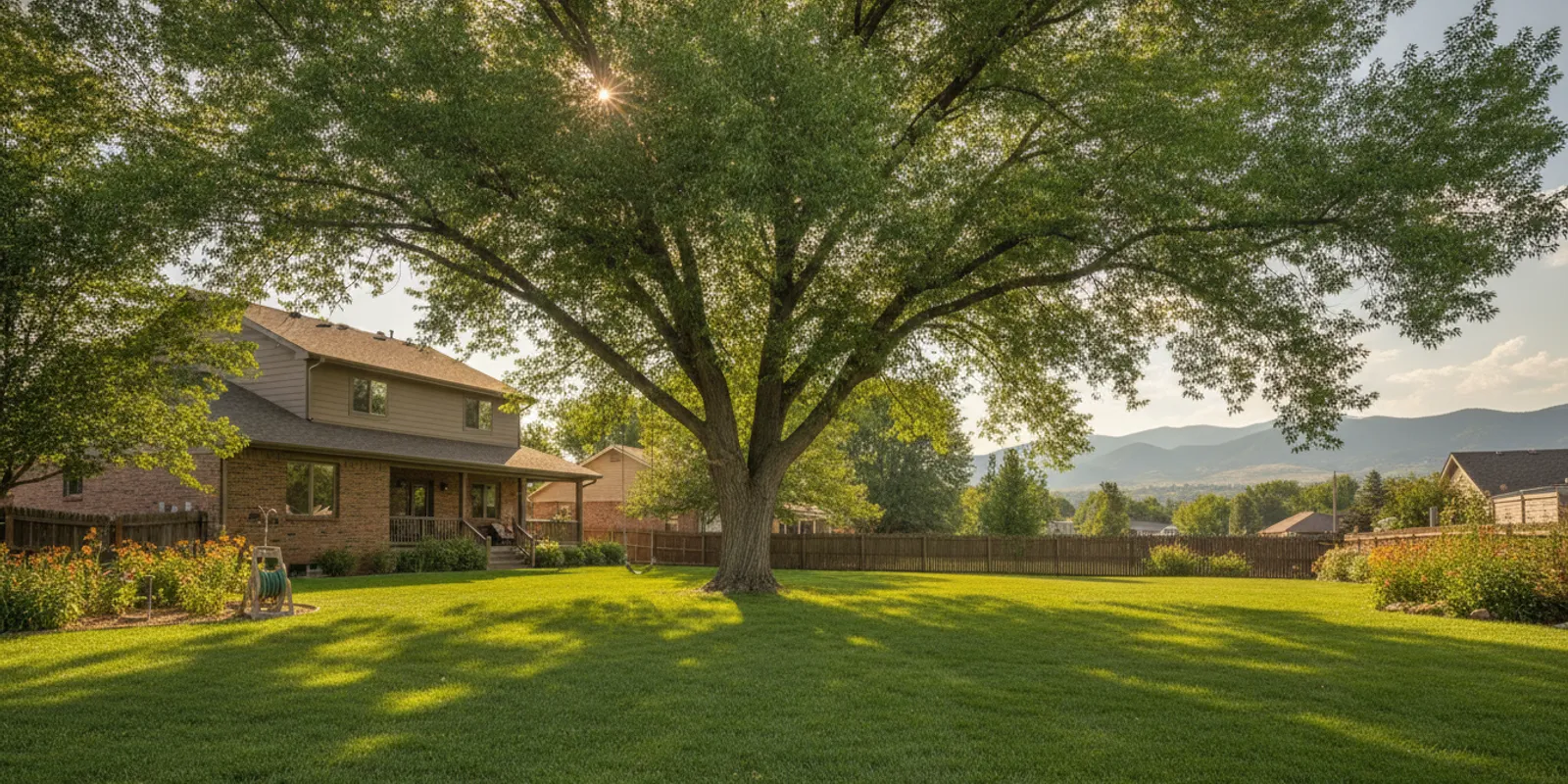
Hackberry is a deciduous tree known for a broad crown and a sturdy presence in the landscape. Depending on the species and growing conditions, a mature tree can become large, so it is best considered for a space where its canopy can develop without crowding buildings, overhead utilities, or neighboring trees.
Its adaptability is one reason property owners consider it for urban settings. It can tolerate different soil conditions once established, though tolerance is not the same as thriving without care. Young trees need regular attention while roots establish, and even mature trees can be affected by drought, construction, compacted soil, or damage to the trunk and roots.
Before planting, think about the future canopy rather than the small tree in the nursery container. Check the expected mature height and spread for the specific hackberry species or cultivar, then compare that with available space. A local professional can help assess how the tree fits among existing trees and structures. See the company’s Denver tree planting guidance for more on matching a tree to its site.
Where can a hackberry fit in a Colorado yard?
Look for a location with enough above- and below-ground room. Consider the house, sidewalks, driveways, fences, utility lines, and the mature trees already on the property. Roots generally grow outward in search of water and oxygen, so avoid treating the planting hole as the tree’s eventual root zone. Protect the area from repeated vehicle traffic and soil disturbance where possible.
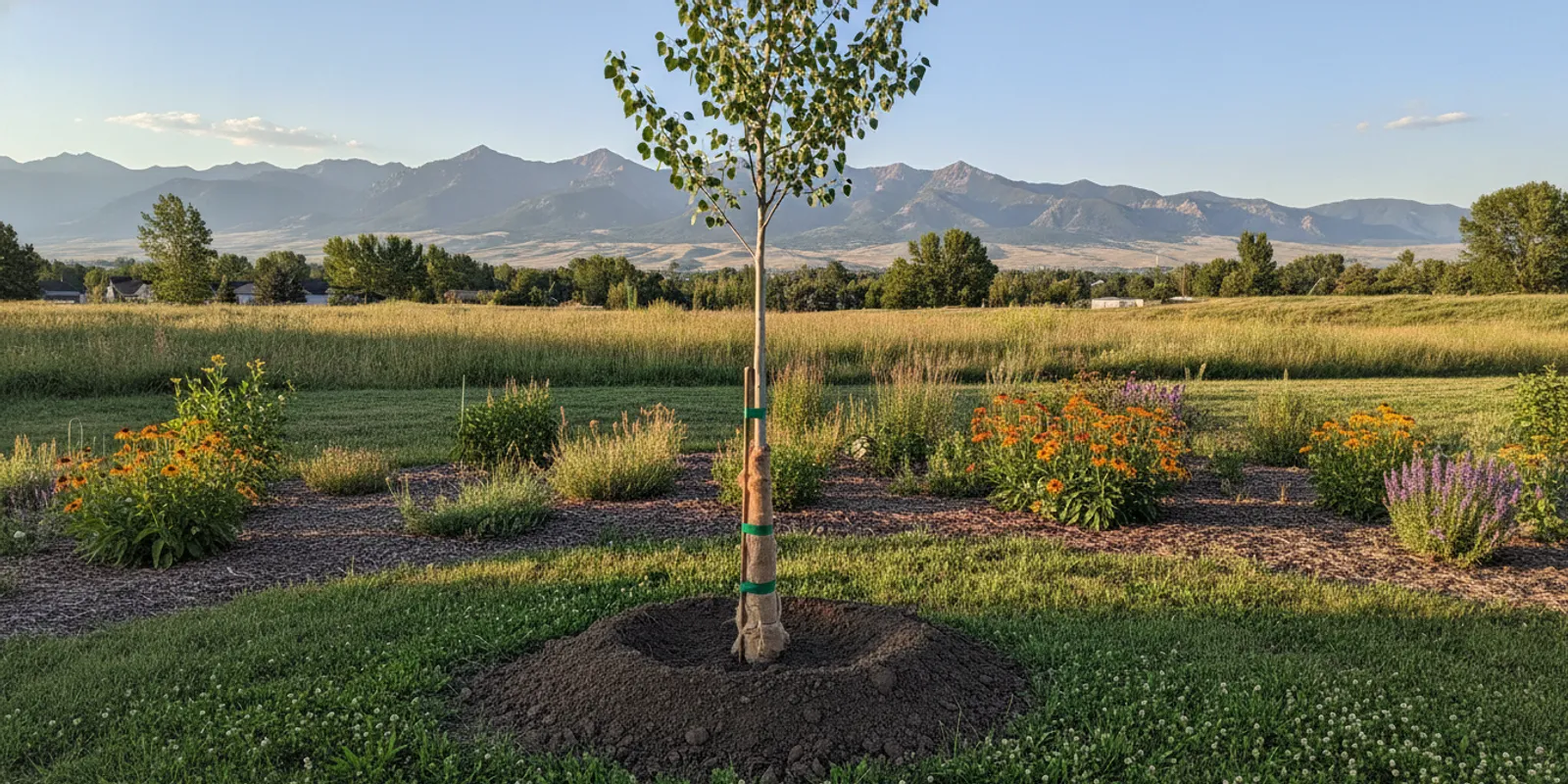
Colorado’s dry periods make establishment watering important. Water slowly and deeply enough to moisten the root zone, then let the soil conditions guide the next watering rather than following a rigid calendar. Newly planted trees often need more frequent checks than established ones, especially during hot, dry, or windy weather. Do not keep soil constantly saturated; drainage and the tree’s condition matter.
Mulch can help moderate soil temperature and reduce moisture loss. Spread it over the root area but keep it a few inches away from the trunk. A mound of mulch against bark holds moisture where it can contribute to decay or pest problems.
Planting timing and aftercare also matter on the Front Range. The Colorado tree-planting timing guide discusses how to plan for local conditions. If you are choosing a replacement after a removal, remember that planting is a separate, optional part of the project rather than something automatically included in a removal quote.
What maintenance concerns should owners watch for?
Hackberries are not immune to stress or defects. Watch for dead or broken limbs, cracks at major branch unions, trunk wounds, mushrooms near the base, sudden thinning, or branches that have changed position after a storm. Any one sign does not prove a tree is unsafe or diseased. The pattern, location, and progression of symptoms all matter.
Some hackberries develop small bumps or rough growths on leaves, and insects may cause visible leaf changes. Leaf blemishes alone do not necessarily mean the tree is in serious decline or requires treatment. Check whether the issue is spreading, whether leaves are dropping unusually early, and whether the canopy is otherwise growing normally. Avoid applying a pesticide based only on a quick visual guess; correct identification and the tree’s overall condition should guide a response.
Environmental stress can also show up as sparse foliage, premature leaf drop, or dieback at branch tips. Drought, root disturbance, poor drainage, and physical injury are among the possible contributors. Because symptoms can have several causes, a site-specific assessment is more useful than assuming one pest or disease explains them all.
How should you prune and inspect a mature hackberry?
Prune with a clear purpose: remove dead or damaged wood, address crossing or rubbing branches, and improve structure when needed. Avoid topping the tree or removing a large share of the canopy at once. Large cuts can create lasting wounds and may encourage weak regrowth. For substantial limbs, work near utilities, or branches over roofs and walkways, use a qualified tree-care professional rather than climbing or cutting from a ladder.
Inspect the tree at least seasonally and after severe weather. From the ground, look upward through the canopy and around the trunk and root flare. Note changes rather than trying to diagnose every mark: when did it appear, is it growing, and is the affected part close to a target such as a house, path, or play area? Keep a simple record or take photos from the same position over time.
Arrange an arborist assessment when a large limb is cracked or hanging, the trunk has a significant split or cavity, the tree is leaning more than before, or decline is progressing. An inspection can help clarify whether pruning, monitoring, or another step is appropriate. It cannot guarantee that a tree will be saved or remove every risk; the recommendation depends on the tree’s condition and its setting.
For background on what an arborist does, read this guide to arborist credentials and tree care. A consultation or diagnostic visit may be distinct from a free estimate, so ask what kind of visit is appropriate when you contact a provider.
Is hackberry right for your property?
Hackberry may suit a property owner looking for a substantial shade tree with an adaptable nature, provided there is room for its mature canopy and root system. It is less suitable where the planting space is cramped, soil will be repeatedly disturbed, or regular watering during establishment is not practical. Compare the particular tree’s expected size with the site and your willingness to maintain it.
For an established hackberry, focus on steady care rather than overreacting to a single leaf symptom. Protect roots, water during dry spells as conditions require, keep mulch off the trunk, and check the canopy and trunk for meaningful changes. When a structural concern or ongoing decline is present, get an assessment before attempting major pruning or treatment.
A thoughtful site choice and regular, careful observation give a hackberry the best chance to serve the property well over time.