Colorado Blue Spruce: Planting, Growth, and Common Care Questions
A Colorado blue spruce can become a striking evergreen, but its mature size and growing conditions matter more than its color at the nursery. Before you plant one—or decide what to do about a mature spruce showing stress—look at the site, the tree’s water needs, and what the symptoms may be telling you.
Is a Colorado blue spruce a good fit for your property?
Colorado blue spruce (Picea pungens) is a conifer native to the Rocky Mountain region. Its blue-green to silvery needles and dense, conical shape make it a familiar landscape tree. But a regional native is not automatically right for every yard. A spruce needs room to grow, suitable soil and water, and a spot where its mature branches will not conflict with buildings, walks, or overhead lines.
Think about the tree’s eventual width and height, not just the small plant you bring home. Many blue spruces can grow several dozen feet tall and spread broadly; size varies with the plant and conditions. Check the nursery label for the particular selection and allow space for its full canopy. Crowding a large spruce against a house or neighboring trees can limit airflow and make future maintenance harder.
Also consider exposure and drainage. Blue spruce generally does best in a sunny site with soil that drains reasonably well. It may struggle in a persistently wet spot or where surrounding plants compete heavily for water. Colorado’s dry periods, wind, compacted soil, and heat reflected from paving can add stress. If the planting area is small, shaded, or difficult to irrigate, compare other tree choices before committing. Natural Tree Care’s Denver tree planting guide covers site and species fit in more detail.
Before digging, check for buried utilities and consider nearby overhead wires. Keep the root flare—the point where the trunk widens into the roots—at or just above finished soil level. Planting too deeply can interfere with root health. For a larger tree, a sloped site, or a planting area with drainage concerns, get advice before the hole is dug.
When choosing a nursery tree, inspect the trunk and branches for obvious wounds, broken leaders, and dead tips. Look for a stable root ball and a trunk base that is not buried under excess soil or mulch. Blue color can vary among individual trees and selections, so choose for the whole site fit and structure, not color alone. A healthy-looking tree still needs proper planting and follow-up care to establish.
How much space and water does a young spruce need?
Space the tree according to its expected mature canopy, not a fixed rule of thumb. Leave room for branches to extend without being pressed against a fence, roof, walkway, or another tree. Account for utility lines and the way the tree may shade gardens or windows over time. If you are planting a row or screen, spacing depends on the specific variety and whether you want the crowns to remain distinct or eventually meet. The plant tag and an experienced local tree professional can help you make that call.
Water is especially important while roots are establishing. After planting, water the root ball and surrounding soil slowly and thoroughly, then check the soil before watering again. The goal is consistent moisture—not a dry root ball and not soil that stays saturated. Frequency changes with rainfall, temperature, soil texture, wind, and the size of the planting. A calendar alone cannot tell you whether the tree needs water.
Apply water where the roots are growing, and expand the watered area as the tree establishes. A layer of mulch can help conserve moisture and moderate soil temperature. Keep mulch a few inches away from the trunk; piling it against the bark can hold moisture there and conceal problems. Avoid frequent, shallow sprinkling that wets only the soil surface.
For the first growing seasons, check moisture beneath the mulch rather than judging only by the surface. If soil near the root ball is dry, water slowly and recheck; if it is still wet, wait and check drainage. Watch for new growth and changes in needle color, but remember that weather and planting conditions affect how quickly roots establish. Keep lawn equipment and foot traffic away from the trunk and root flare, where repeated injury or soil compaction can create additional stress.
Established trees can also need attention during prolonged dry weather. In winter, evergreens continue to lose moisture, and dry soil can contribute to stress. When the ground is not frozen and conditions are dry, a slow watering may help; do not water into frozen soil or leave the root area waterlogged. For practical seasonal guidance, see winter tree watering.
What pruning is appropriate—and what should you avoid?
Pruning should address a clear need, such as a dead, broken, or interfering branch, rather than simply making a spruce smaller. Spruce trees do not reliably produce new growth from older bare wood. If a branch is cut back too far into a section without needles, that part may remain bare. Topping or shearing a large spruce can damage its natural form and leave lasting gaps.
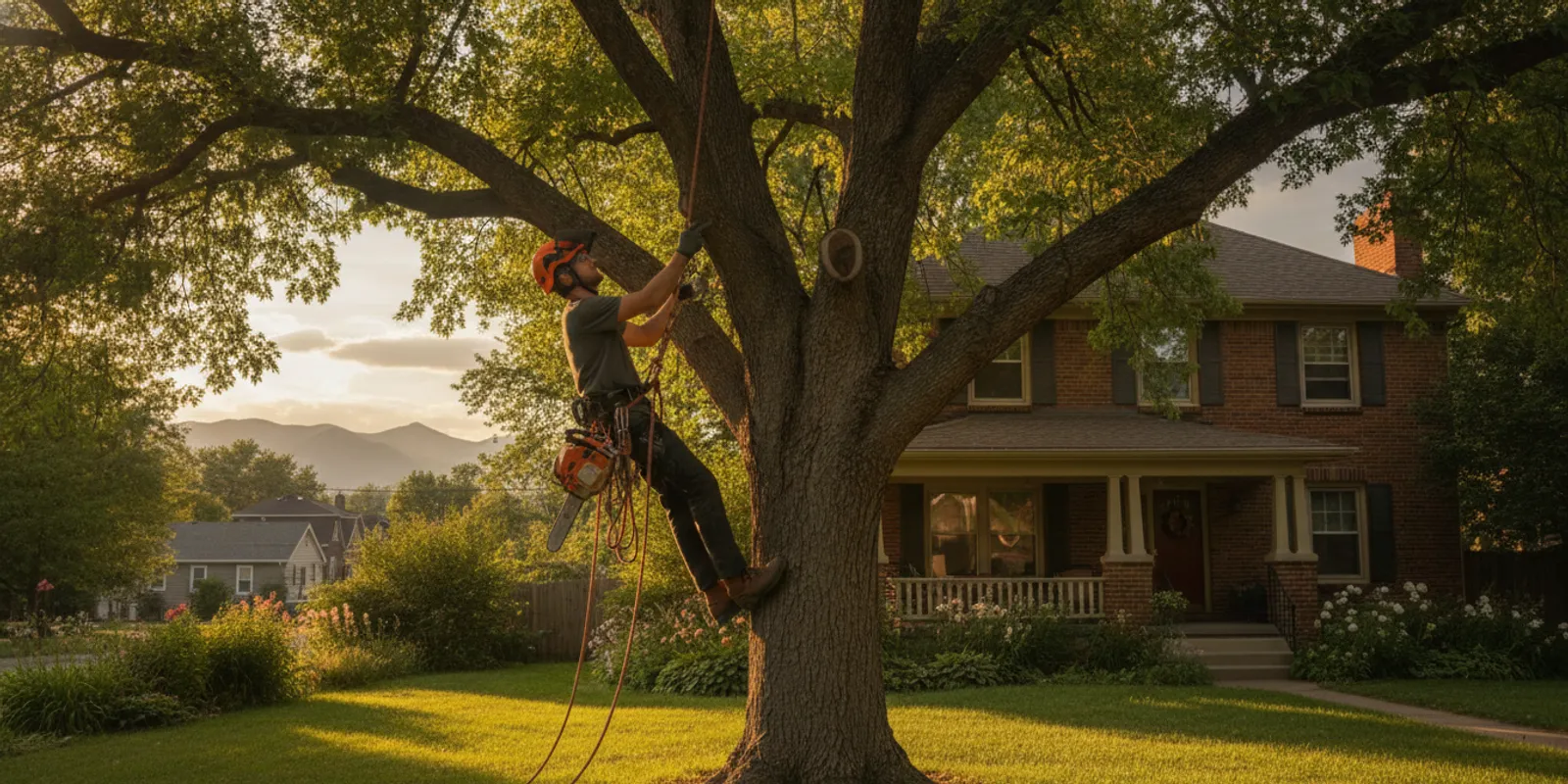
Start by identifying the reason for pruning. Is a branch dead or damaged? Does it rub against another branch, obstruct a needed clearance, or create a specific concern? The answer affects what to cut and where. Avoid removing large amounts of live foliage at once. For major structural work, high branches, or limbs near a building or line, use a qualified tree-care professional rather than climbing or cutting from a ladder.
Timing depends on the work and the tree’s condition. Dead or hazardous branches may need attention when they are noticed, while other pruning can be planned to reduce unnecessary stress. If the spruce has widespread discoloration or dieback, first find out what may be causing it; pruning away symptoms does not correct an underlying water, root, or pest issue. Natural Tree Care’s Denver tree pruning article explains how to think about pruning needs.
Which stress symptoms should you look for?
Some needle loss is normal. Older needles closer to the trunk may turn brown and drop as the tree replaces them. More concerning changes include browning or purpling across branch tips, thinning patches, dead branches, or discoloration that spreads through the canopy. Also look for resin, visible wounds, damaged roots, or soil that stays unusually wet or dries out quickly.
These signs do not point to one cause by themselves. Drought, root disturbance, poor drainage, winter exposure, insects, and disease can produce overlapping symptoms. Note when the change began, which parts of the tree are affected, whether it is progressing, and any recent work or changes in watering. Photos taken from the same angles over time can help show whether the pattern is spreading.
Do not assume that a brown branch means the entire tree is dead, or that a treatment will solve the problem. A careful evaluation considers the whole canopy, trunk, root area, site conditions, and history. Some damage may be manageable; other conditions may not be reversible. No assessment can promise that a particular tree can be saved.
When can an arborist help evaluate a mature spruce?
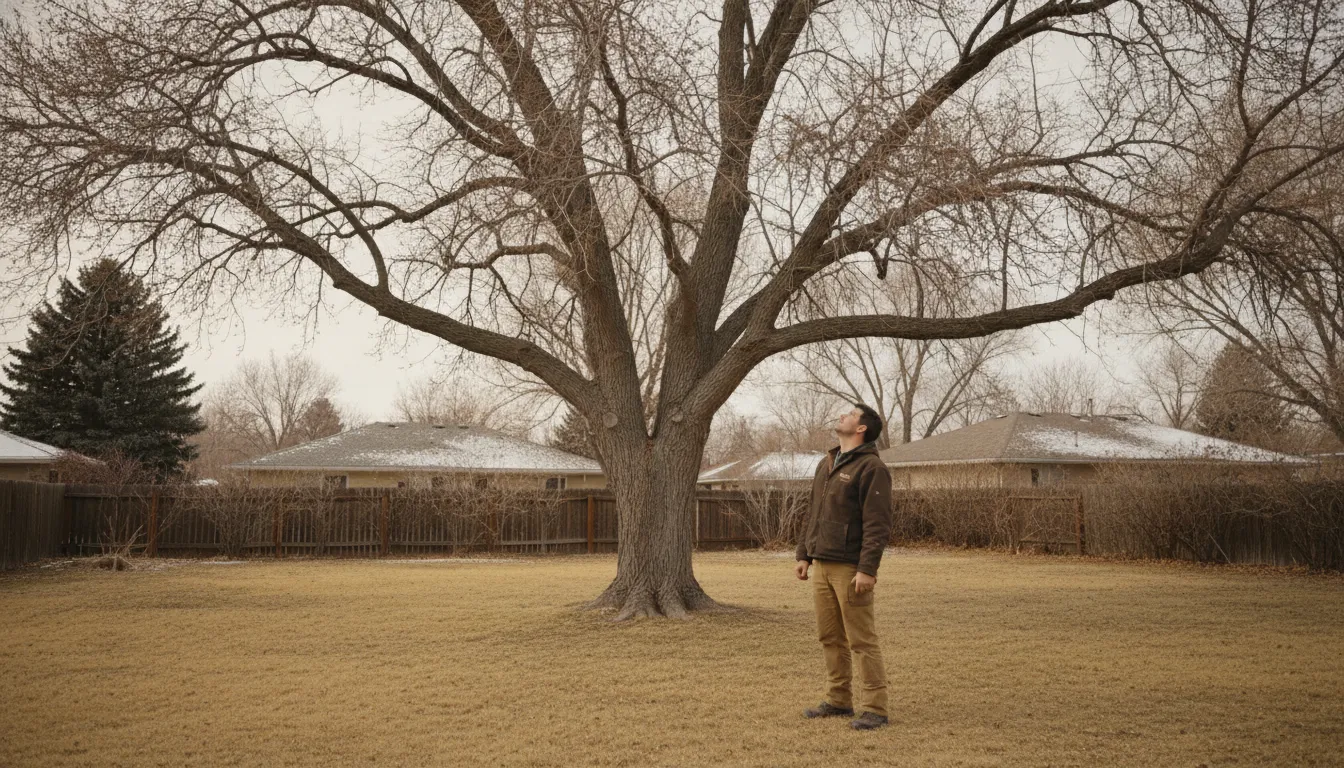
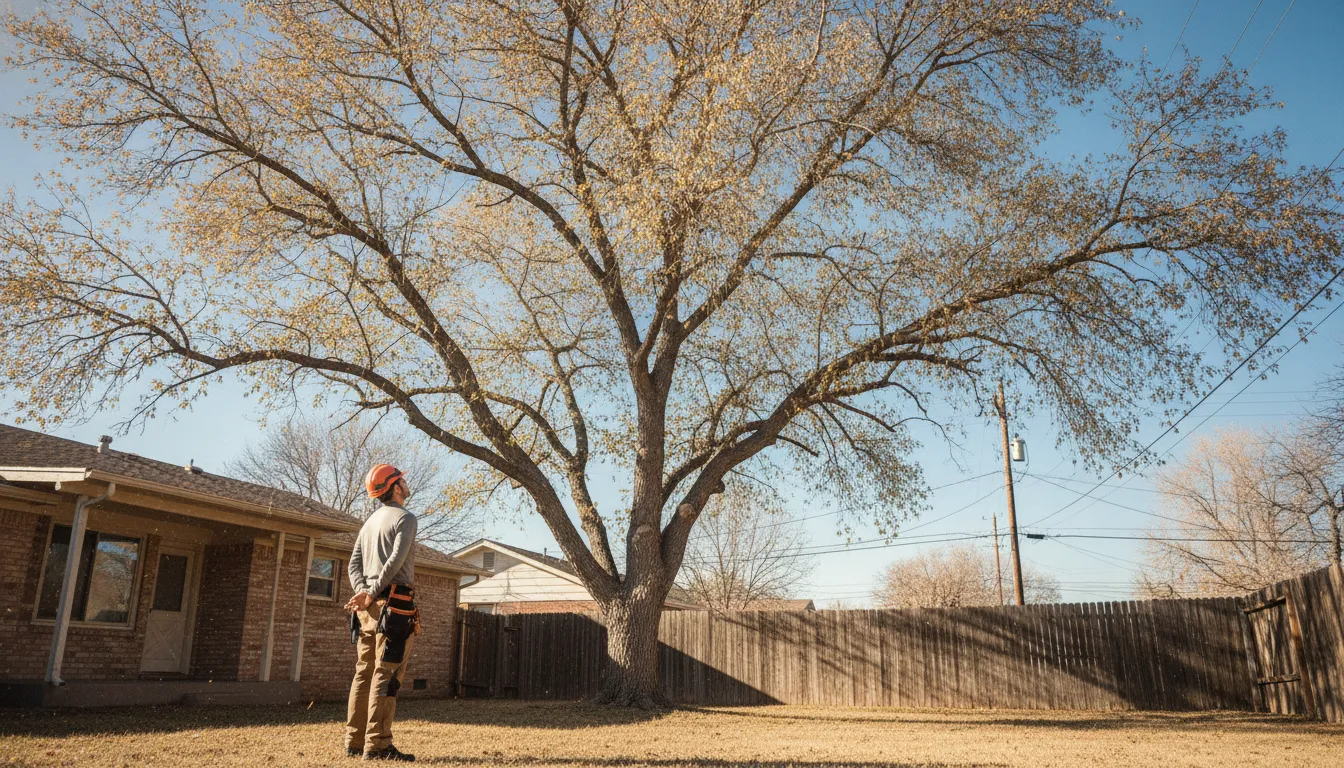
An arborist can help when symptoms are spreading, the cause is unclear, the tree is large or close to a structure, or you are weighing pruning against removal. An on-site review can consider branch structure, visible defects, the root zone, water and drainage, and nearby site conditions. It can also help distinguish routine needle drop from a pattern that needs closer attention.
Bring your observations: when symptoms appeared, how quickly they changed, how the tree has been watered, and whether construction, grading, pruning, or storm damage occurred nearby. Ask what the assessment can establish, what remains uncertain, and what options are reasonable. The right next step may be monitoring, a specific care change, targeted pruning, pest management, or further evaluation. Any proposed treatment should fit the tree’s condition and the likely cause rather than be chosen from a symptom alone.
Natural Tree Care provides arborist consultations and tree services in the Denver area. You can review the tree-care services available and request an estimate for work that may be appropriate. A consultation or diagnostic visit is not automatically a free estimate; ask what the visit includes when arranging it.
A Colorado blue spruce can be a long-lived landscape tree when its space and growing conditions suit it. For a mature tree with changing symptoms, start with a careful assessment before deciding whether it needs pruning, other care, or removal.